


happy-senior-couple-laughing-in-bed-together-2026-01-07-00-55-39-utc

Does Snoring Mean Sleep Apnea? When to Be Concerned

Almost everyone snores occasionally, and somewhere between a quarter and half of all adults snore on a regular basis. In most cases, it’s harmless. But snoring is also one of the most common symptoms of obstructive sleep apnea (OSA) — a sleep disorder that, left untreated, can affect your heart, your energy levels, and your long-term health. So how do you know which one you’re dealing with?

What Causes Ordinary Snoring?

Snoring happens when relaxed tissue in the mouth, nose, and throat vibrates as air passes through during sleep. If your airway is narrowed, air moves faster over that tissue, increasing vibration — and volume. Common contributors include:

  • Excess weight
  • Alcohol or sedative use before bed
  • Smoking
  • Sleeping on your back
  • Nasal congestion or blockages
  • An underactive thyroid
  • Swollen tonsils or throat tissue

On its own, this kind of snoring — while sometimes disruptive to a partner’s sleep — usually isn’t a sign of a serious medical problem.

What Makes Sleep Apnea Different?

Obstructive sleep apnea is a step beyond snoring. It occurs when the airway becomes partially or fully blocked repeatedly throughout the night, causing breathing to slow or stop for periods of ten seconds or longer. Each time this happens, blood oxygen levels dip, and the brain triggers a brief, partial awakening to reopen the airway and resume normal breathing — often without the person even realizing it. This cycle can repeat dozens or even hundreds of times in a single night, fragmenting sleep without the person being aware of it.

Snoring is common in people with OSA, but the two aren’t the same thing: some people snore without having sleep apnea, and a smaller number of people have sleep apnea without snoring at all.

Signs That Snoring Might Be Something More

Because only medical testing can definitively confirm sleep apnea, it helps to know the warning signs worth paying attention to. Some show up during sleep — and you may only learn about them from a partner or roommate:

  • Loud, frequent snoring
  • Pauses in breathing
  • Gasping or choking sounds during sleep

Others show up during the day, which makes them easier to notice yourself:

  • Excessive sleepiness, even after a full night’s sleep
  • Morning headaches
  • Trouble concentrating or remembering things
  • High blood pressure that’s difficult to control
  • Falling asleep unintentionally during quiet activities, like reading or watching TV

If several of these apply to you, it’s worth mentioning to a doctor — particularly the combination of loud snoring with daytime sleepiness or breathing pauses, which is one of the stronger indicators of OSA.

How Do You Actually Find Out?

Symptoms can point you in the right direction, but they can’t confirm a diagnosis on their own. The only reliable way to distinguish ordinary snoring from sleep apnea is through a sleep study — either an in-clinic polysomnography test or, in many cases, a home sleep apnea test. These tests monitor your breathing, oxygen levels, and heart activity while you sleep, giving a doctor the data needed to determine what’s actually happening.

What Happens Next?

If testing shows you don’t have sleep apnea, your doctor can still help you reduce snoring through lifestyle changes — maintaining a healthy weight, cutting back on alcohol, quitting smoking, or sleeping on your side, for example.

If sleep apnea is confirmed, treatment options range from lifestyle changes to devices like oral appliances, and — particularly for moderate to severe cases — CPAP (continuous positive airway pressure) therapy, which keeps the airway open using gentle, steady air pressure. Many people notice a significant improvement in sleep quality, daytime energy, and even blood pressure once OSA is properly treated.

The Takeaway

Snoring alone doesn’t mean you have sleep apnea — but it’s not something to ignore either, especially if it’s loud, regular, and paired with breathing pauses, choking, or daytime fatigue. Since symptoms alone can’t tell the full story, a proper sleep evaluation is the only way to know for sure — and the sooner it’s addressed, the sooner you can get back to genuinely restful sleep.

This article is for general informational purposes and isn’t a substitute for medical advice. If you’re concerned about your sleep or breathing at night, speak with a healthcare provider about getting tested.


Would You Like To Speak To Our Medical Professionals?

References

  1. Mayo Clinic. “Obstructive sleep apnea – Symptoms and causes.” mayoclinic.org. https://www.mayoclinic.org/diseases-conditions/obstructive-sleep-apnea/symptoms-causes/syc-20352090
  2. American Academy of Sleep Medicine. “AASM Publishes New Guideline for Diagnostic Testing for Adult Sleep Apnea.” aasm.org, 2017. https://aasm.org/aasm-publishes-new-guideline-for-diagnostic-testing-for-adult-sleep-apnea/
  3. Practical Neurology. “Beyond the Polysomnogram: Modern Approaches to Diagnosing Sleep Apnea.” 2025. https://practicalneurology.com/diseases-diagnoses/sleep/beyond-the-polysomnogram-modern-approaches-to-diagnosing-sleep-apnea/35814/
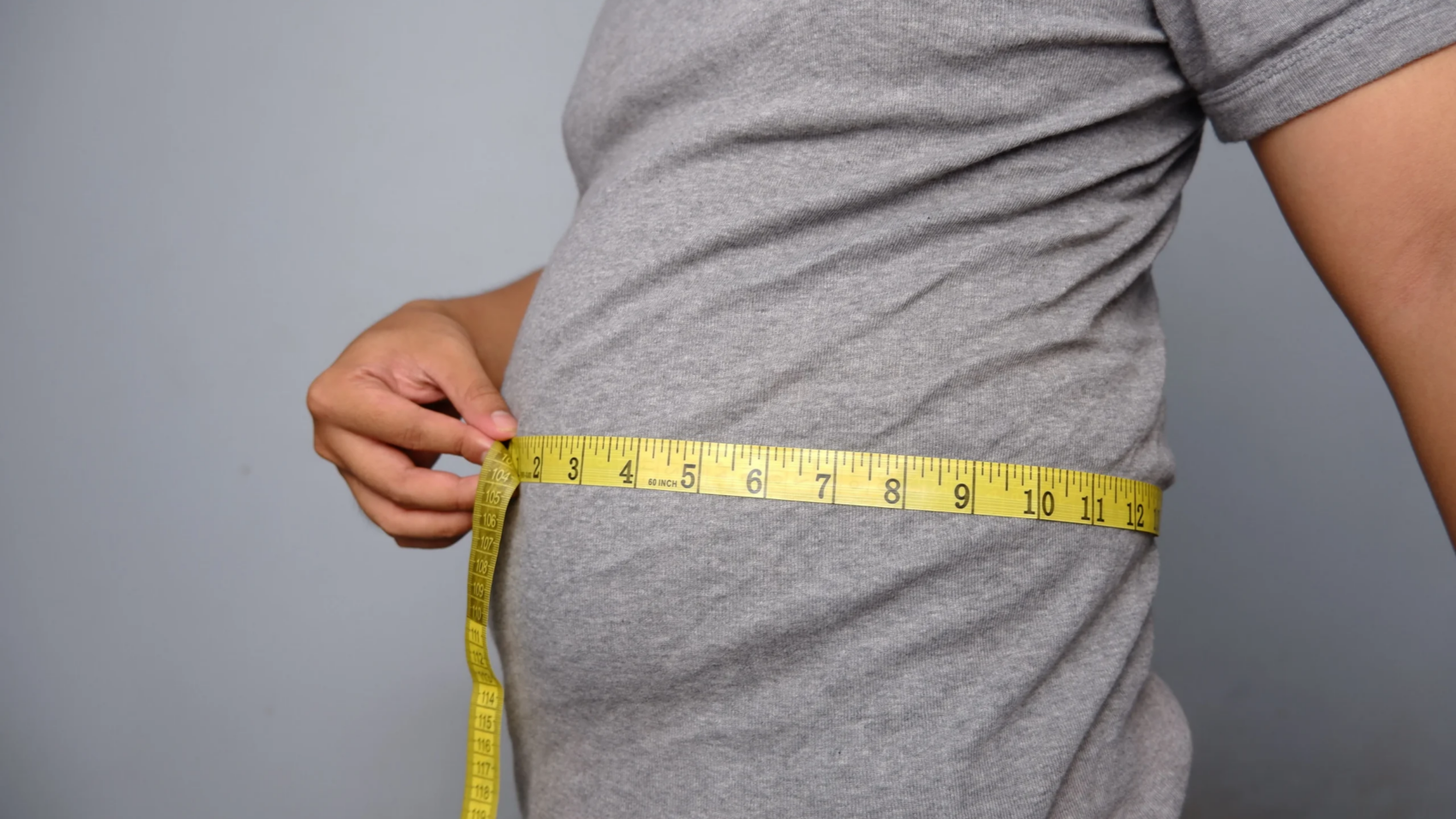
adult-measuring-waist-with-yellow-tape-measure-2026-03-18-12-19-15-utc

Being Overweight, Out of Shape, or Lacking Exercise: A Common but Overlooked Cause of Snoring

If you’ve started snoring more than you used to, your weight and fitness level might be part of the reason why — even if the change has been gradual. Carrying extra weight, especially around the neck, is one of the most well-established and modifiable causes of snoring.

The Connection Between Weight and Snoring

Snoring happens when air struggles to move freely through a narrowed airway, causing the surrounding soft tissue to vibrate. Extra fat around the neck and throat can narrow that airway further, making vibration — and snoring — more likely.

As a rough guide, a neck (collar) size of around 16.5 inches or more is associated with a higher likelihood of snoring, since there may not be enough muscle tone to keep the airway sufficiently open during sleep. A short, thicker neck is a particular risk factor.

Interestingly, this affects men and women differently. Men tend to gain weight around the neck and waist, which more directly narrows the airway. Women more commonly gain weight around the hips and thighs, and also tend to have airways that are naturally wider and less prone to collapsing — which is part of why snoring is historically less common in women than men. That difference tends to shrink after menopause, when hormonal changes lead to more neck-area weight gain and reduced muscle tone — by around age 70, snoring rates in women approach those of men.

It’s Not Just About Weight — Fitness Matters Too

Being “out of shape” isn’t only about the number on the scale. Poor muscle tone throughout the body — including the muscles that support the airway — can make it easier for the throat to collapse slightly during sleep, even in people who aren’t significantly overweight. A sedentary lifestyle, with little regular physical activity, tends to go hand-in-hand with reduced muscle tone and weaker respiratory function, both of which can contribute to snoring.

This is why simply losing weight through diet alone often isn’t enough to meaningfully reduce snoring — the body needs a combination of fat loss and improved muscle tone, which typically comes from a sensible, consistent exercise routine rather than diet changes alone.

What Can You Do About It?

The encouraging part is that this cause of snoring is one of the more addressable ones. A few starting points:

  • Assess your weight honestly. Tools like a BMI calculator can offer a helpful benchmark for a healthy weight range.
  • Build an exercise routine, not just a diet. Even modest, regular physical activity helps improve muscle tone in the airway and chest, alongside fat loss.
  • Track your neck size, not just your overall weight. A reduction in neck circumference is often a more direct indicator of reduced snoring risk than total weight loss alone.
  • Speak to a professional. A GP or dietitian can help build a realistic, sustainable plan — particularly if previous attempts at weight loss haven’t stuck.

When to Get It Checked Properly

Weight-related snoring can range from a mild nuisance to a sign of something more serious, like obstructive sleep apnea, particularly if it’s loud, frequent, and paired with gasping, choking, or noticeable pauses in breathing at night. A sleep test can help determine whether your snoring is a simple mechanical issue or something that needs a more targeted treatment plan.

The Takeaway

If your snoring has crept in alongside some weight gain or a less active lifestyle, you’re far from alone — this is one of the most common causes of snoring, and one of the most responsive to lifestyle change. Weight loss combined with regular exercise, rather than diet changes on their own, tends to offer the best results. And if snoring persists despite lifestyle changes, it’s worth having it properly assessed rather than assuming it will resolve on its own.

This article is for general informational purposes and isn’t a substitute for medical advice. A GP, dietitian, or sleep specialist can help you build a plan suited to your situation.


Would You Like To Speak To Our Medical Professionals?

References

  1. Mayo Clinic. “Neck size one risk factor for obstructive sleep apnea.” Mayo Clinic News Network, 2026. https://newsnetwork.mayoclinic.org/discussion/mayo-clinic-q-and-a-neck-size-one-risk-factor-for-obstructive-sleep-apnea/
  2. Kline, C.E., et al. “The Effect of Exercise Training on Obstructive Sleep Apnea and Sleep Quality: A Randomized Controlled Trial.” Sleep, 34(12), 2011. https://doi.org/10.5665/sleep.1422
  3. Mayo Clinic. “Snoring – Symptoms and causes.” mayoclinic.org. https://www.mayoclinic.org/diseases-conditions/snoring/symptoms-causes/syc-20377694
woman-monitors-blood-pressure-at-home-2026-01-06-09-23-45-utc

How Is Snoring Linked to High Blood Pressure?

Most people think of snoring as an annoyance — something that disturbs a partner’s sleep or gets joked about at the breakfast table. But a growing body of research suggests that regular, loud snoring may be more than just noise. It could be an early signal of high blood pressure, even in people who don’t yet know they have a problem.

The Research Behind the Link

A large study from sleep researchers at Flinders University, using months of home-based monitoring across thousands of participants, found a clear pattern: people who snored regularly — particularly overweight, middle-aged men — were significantly more likely to have elevated blood pressure and uncontrolled hypertension. Around 15% of participants snored for more than a fifth of the night on average, and this group showed a notably higher rate of blood pressure problems.

What’s striking is that this connection held up even in people who didn’t have obstructive sleep apnea (OSA). In other words, snoring on its own — not just the breathing pauses associated with sleep apnea — appears to place extra strain on the cardiovascular system.

Why Would Snoring Affect Blood Pressure?

There are a few reasons researchers believe snoring and high blood pressure are connected:

Airway strain

Snoring happens when tissue in the throat vibrates as air passes through a narrowed airway. Night after night, this can place mechanical stress on the blood vessels in the neck and throat.

Poor sleep quality

Loud, frequent snoring disrupts deep, restorative sleep — even if the person doesn’t fully wake up. Poor sleep quality is independently linked to higher blood pressure over time.

Noise-level stress

Some studies have found that snoring can reach sound levels comparable to environmental noise known to affect cardiovascular health, adding another layer of nightly strain on the body.

Shared risk factors

Snoring and hypertension often share the same underlying contributors, such as excess weight, a sedentary lifestyle, and poor sleep habits — so they tend to show up together.

Woman covering her ears while her partner snores loudly beside her

Snoring and Sleep Apnea: A Related but Separate Concern

Snoring is also one of the most common symptoms of obstructive sleep apnea, a condition where the airway becomes repeatedly blocked during sleep. People with OSA are known to be at a much higher risk of high blood pressure, especially the kind that doesn’t respond well to standard medication. But as the research above shows, you don’t necessarily need to have sleep apnea for snoring to affect your blood pressure — simple, chronic snoring appears to carry its own risk.

This is why doctors increasingly recommend that snoring be taken seriously as a health indicator, not just a lifestyle inconvenience — particularly for people who are also dealing with blood pressure that’s difficult to control.

When Should You Be Concerned?

Snoring on its own isn’t a diagnosis, but it’s worth raising with a doctor if it comes with any of the following:

  • Blood pressure readings of 130/80 mmHg or higher
  • Waking up gasping or choking
  • Daytime fatigue despite a full night’s sleep
  • Morning headaches
  • A partner noticing pauses in your breathing at night

One blood pressure reading is not enough to diagnose hypertension. A healthcare professional may recommend repeated clinic readings, home blood pressure monitoring or other tests depending on your individual circumstances.

What Can Help Reduce Snoring?

The most suitable approach depends on what is causing the snoring. Some people may benefit from lifestyle and sleep-habit changes, including:

  • Maintaining a healthy weight
  • Reducing alcohol consumption, particularly before bedtime
  • Avoiding smoking
  • Sleeping on your side rather than your back
  • Following a consistent sleep schedule
  • Seeking treatment for persistent nasal congestion

If you already have high blood pressure that isn’t responding well to treatment, it’s worth asking your doctor whether undiagnosed snoring or sleep apnea could be playing a role.

The Good News

The relationship works both ways — treating snoring or an underlying sleep disorder has been shown to help lower blood pressure in many patients, particularly those with treatment-resistant hypertension. Simple lifestyle changes (maintaining a healthy weight, reducing alcohol before bed, sleeping on your side) can help, and for more persistent cases, a proper sleep evaluation can identify whether a condition like OSA is contributing to the problem — and what treatment options, such as CPAP therapy or other interventions, might help.

The Takeaway

Snoring is common, but persistent, loud snoring shouldn’t automatically be dismissed as harmless. If it’s paired with high blood pressure, daytime tiredness, or noticeable breathing pauses at night, it may be worth a conversation with a healthcare provider. Identifying and treating the root cause early can support both better sleep and better long-term heart health.

This article is for general informational purposes and isn’t a substitute for medical advice. If you’re concerned about your blood pressure or sleep quality, speak with a healthcare provider.


Would You Like To Speak To Our Medical Professionals?

References

  1. Lechat, B., et al. “Regular snoring is associated with uncontrolled hypertension.” npj Digital Medicine, 2024. https://www.nature.com/articles/s41746-024-01026-7
  2. Martinez-Garcia, M.A., et al. “Effect of CPAP on Blood Pressure in Patients with Obstructive Sleep Apnea and Resistant Hypertension.” JAMA, 2013. https://pmc.ncbi.nlm.nih.gov/articles/PMC3927443/
  3. American Academy of Sleep Medicine. “New Guideline Discusses Sleep Apnea and High Blood Pressure.” aasm.org, 2020. https://aasm.org/new-guideline-redefines-high-blood-pressure-considers-sleep-apnea/